

Scott Fcasni
Whether you’re buying your first handgun, planning to carry for personal protection, or simply trying to understand Florida’s firearm laws, it’s easy to get confused by the changes in recent years. One of the biggest questions people still ask is whether they need a Florida Concealed Weapon or Firearm License (CWFL) now that the state allows permitless concealed carry. The answer depends on your situation, where you plan to carry, and whether you travel outside Florida. This guide explains everything, from eligibility requirements and training to the application process and the benefits of obtaining a license.
Understanding Florida’s Concealed Carry Law
Florida is one of the most firearm-friendly states in the country, but that doesn’t mean there are no rules. While recent legislative changes have made it easier for many eligible adults to carry a concealed firearm without obtaining a license, several legal requirements still apply. Federal firearm laws remain in effect, prohibited places still exist, and obtaining a Florida Concealed Weapon or Firearm License continues to provide valuable benefits for many gun owners. Understanding these distinctions is the first step toward carrying responsibly and staying compliant with state and federal law.
What Changed Under Florida’s Permitless Carry Law?
On July 1, 2023, Florida’s permitless concealed carry law took effect, allowing many eligible adults to carry a concealed firearm without first obtaining a concealed weapon license. Often referred to as “constitutional carry,” this law removed the licensing requirement for qualified individuals carrying a concealed firearm within Florida.
However, permitless carry did not remove all legal requirements. Anyone carrying a concealed firearm without a license must still meet the same eligibility standards required to lawfully possess a firearm under state and federal law. This includes age restrictions, criminal background limitations, and other legal qualifications. The law also does not allow open carry in most situations, nor does it permit carrying firearms in prohibited locations such as schools, courthouses, or federal buildings.
Many first-time firearm owners mistakenly believe permitless carry means “carry anywhere without restrictions.” In reality, responsible firearm ownership still requires understanding where you can legally carry, how to safely handle your firearm, and how Florida’s self-defense laws apply.
Do You Need a Florida Concealed Carry Permit?
The answer depends on your personal circumstances and how you plan to carry your firearm. While Florida no longer requires most eligible adults to obtain a permit before carrying a concealed handgun within the state, there are many situations where obtaining a Concealed Weapon or Firearm License remains the smarter choice.
If you only carry within Florida and meet all legal eligibility requirements, permitless carry may satisfy your needs. However, if you regularly travel to neighboring states, prefer having documented firearms training, or want the convenience of carrying in states that recognize Florida’s license, applying for a CWFL continues to offer significant advantages.
Florida Residents
Florida residents who carry only within the state may legally carry concealed without obtaining a license if they are otherwise eligible to possess a firearm. Even so, many residents still choose to obtain a CWFL because it simplifies interstate travel and demonstrates a commitment to responsible firearm ownership.
Non-Residents
Florida also issues concealed weapon licenses to qualified non-residents. This makes the Florida CWFL popular with people who travel to Florida frequently or want a license recognized by multiple states. Eligibility requirements are generally similar to those for Florida residents, although applicants should review the latest guidance before applying.
Frequent Travelers
If your work or lifestyle requires traveling outside Florida, a CWFL becomes much more valuable. Reciprocity agreements allow Florida license holders to legally carry concealed in many other states that honor Florida’s permit. Since every state has different firearm laws, travelers should always confirm local regulations before crossing state lines.
Military Members and Veterans
Florida recognizes the experience and firearms training of many active-duty military personnel and honorably discharged veterans. Certain military documents may satisfy training requirements, and age exceptions apply in some circumstances. These provisions help simplify the licensing process for qualified service members while maintaining public safety standards.
First-Time Gun Owners
For someone purchasing their first firearm, completing a professional firearms safety course remains one of the best investments they can make, regardless of whether a permit is legally required. Learning safe firearm handling, storage, legal responsibilities, and defensive shooting fundamentals builds confidence and reduces the risk of accidents.
Florida Concealed Carry Permit Requirements
Anyone applying for a Florida Concealed Weapon or Firearm License must meet specific legal qualifications established by the Florida Department of Agriculture and Consumer Services (FDACS). These requirements help ensure that applicants can safely and legally possess a firearm while complying with both Florida and federal law. Understanding each requirement before starting your application can save time, reduce delays, and improve your chances of approval.
Age Requirement
Most applicants must be at least 21 years old to qualify for a Florida Concealed Weapon or Firearm License. However, Florida law provides exceptions for certain active-duty military personnel and honorably discharged veterans, allowing them to apply before reaching the standard minimum age.
Meeting the age requirement alone does not automatically qualify someone for a license. Applicants must also satisfy all other eligibility criteria, including lawful firearm possession, required training, and background screening.
Citizenship and Residency
Florida accepts applications from both United States citizens and lawful permanent residents who meet the state’s licensing requirements. Unlike many people assume, applicants do not have to be Florida residents to obtain a Florida Concealed Weapon or Firearm License. Qualified non-residents may also apply, making the license a popular option for individuals who frequently visit Florida or want access to reciprocity with participating states.
Applicants should be prepared to provide valid government-issued identification and any additional documentation required to verify their legal status during the application process.
Criminal History Requirements
One of the most important parts of the licensing process is the background check. Florida carefully reviews an applicant’s criminal history to determine whether they are legally eligible to possess and carry a firearm.
Several factors can affect eligibility, including:
- Felony convictions that have not had civil rights restored
- Certain misdemeanor convictions involving violence
- Active domestic violence injunctions
- Pending criminal charges in some situations
- Dishonorable discharge from the U.S. Armed Forces
- False information provided during the application process
Each application is reviewed individually, and eligibility may depend on the specific circumstances of a person’s legal history. If an applicant has questions about prior convictions or restored rights, consulting an attorney familiar with Florida firearm law may help clarify their eligibility before applying.
Mental Health Restrictions
Federal and Florida firearm laws include mental health provisions intended to protect both firearm owners and the public. Individuals who have been adjudicated mentally incompetent or involuntarily committed under certain legal proceedings may be prohibited from obtaining a concealed weapon license unless their rights have been legally restored.
These restrictions are based on official court actions rather than simply seeking counseling or receiving routine mental health treatment. Receiving professional mental health care does not automatically prevent someone from owning or carrying a firearm. Eligibility depends on the individual’s legal record and applicable state and federal laws.
Drug and Alcohol Restrictions
Applicants must also demonstrate that they do not have a history of chronic substance abuse that would impair their ability to safely possess a firearm. Habitual abuse of controlled substances or alcohol, particularly when supported by legal findings or criminal convictions, may affect eligibility during the application review process.
Responsible firearm ownership requires clear judgment and safe decision-making. Florida’s licensing requirements reflect that responsibility by considering factors that may present a safety concern.
Required Firearms Training
Firearms training is one of the most important parts of the Florida Concealed Weapon or Firearm License (CWFL) application process. While Florida’s permitless carry law means many eligible adults can carry a concealed firearm without obtaining a license, anyone applying for a CWFL must still demonstrate firearm competency through an approved training program. Beyond meeting a legal requirement, quality training helps you build safe handling habits, improve shooting skills, and understand the responsibilities that come with carrying a concealed firearm. Whether you’re a first-time gun owner or have years of shooting experience, proper instruction gives you the confidence to make informed decisions and respond responsibly in real-life situations.
Approved Training Options
Florida accepts several types of firearms training as proof of competency. The course you choose must satisfy state requirements and include instruction from a qualified source. Selecting an approved course from the beginning helps prevent delays during the application process.
Training may be accepted if it comes from one of the following:
- An NRA-certified firearms instructor
- A Florida hunter safety course approved by the Florida Fish and Wildlife Conservation Commission (FWC) or a comparable out-of-state agency
- A firearms safety or training course offered by a law enforcement agency
- A firearms course provided by a college, university, or other educational institution
- A training program conducted by a state-certified or nationally recognized firearms instructor
- Military firearms qualification for eligible active-duty personnel or veterans
The course should teach more than basic shooting skills. A well-rounded program explains firearm safety rules, proper storage practices, defensive shooting fundamentals, conflict avoidance, and Florida’s firearm laws so students understand both the technical and legal aspects of concealed carry.
Live-Fire Requirement
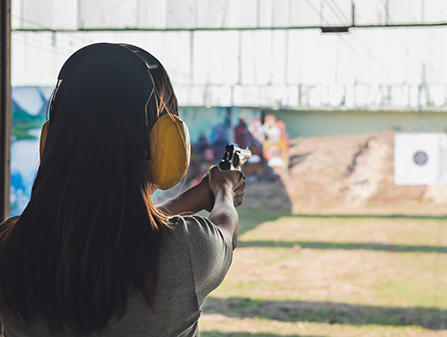
Florida requires applicants to demonstrate firearm competency through live-fire training completed under the direct supervision of an instructor. This practical portion of the course confirms that students can safely handle and operate a firearm in a controlled environment.
Unlike classroom-only instruction, live-fire exercises allow instructors to evaluate safe gun handling, loading and unloading procedures, muzzle discipline, trigger control, and overall firearm operation. For many first-time shooters, this hands-on experience also helps reduce anxiety and builds confidence before carrying a firearm for personal protection.
Although the state does not require students to achieve a specific shooting score, they must safely participate in the live-fire exercise and complete all required instruction.
Accepted Proof of Training
After successfully completing an approved course, applicants must submit documentation showing they meet Florida’s firearm competency requirement. The certificate or supporting document should clearly identify the instructor or training provider and confirm successful course completion.
Commonly accepted documents include:
| Accepted Proof of Training | Description |
| Firearms Training Certificate | Issued after completing an approved concealed carry or firearms safety course |
| Hunter Safety Certificate | Approved by the Florida Fish and Wildlife Conservation Commission or an equivalent agency |
| NRA Course Certificate | Issued by an NRA-certified instructor after successful completion |
| Law Enforcement Training Record | Documentation from a recognized law enforcement firearms program |
| Military Documentation (DD Form 214) | May satisfy the training requirement for qualifying veterans |
| Active-Duty Military Orders | Accepted in qualifying situations for active military personnel |
Always keep a copy of your training certificate for your records. If your original document is lost, replacing it later may take additional time.
Looking for an Approved Florida Firearms Training Course?
Choosing the right instructor can make a significant difference in your learning experience. While many courses satisfy Florida’s legal requirements, the best instructors go beyond the minimum curriculum by helping students develop practical skills they can use every day.
A quality concealed carry course should include:
- Certified and experienced instructors
- A safe, supervised live-fire range
- Clear explanations of Florida firearm laws
- Hands-on firearm handling instruction
- Guidance for new and experienced shooters
- Time for questions and individual coaching
At The Smoking Gun Store, whether you’re applying for your Florida CWFL or simply want to improve your firearm knowledge, experienced instructors can help you understand state requirements, practice safe firearm handling, and choose equipment that fits your needs.
Documents You’ll Need Before Applying
Preparing your paperwork before starting the application process helps avoid unnecessary delays. Missing documentation is one of the most common reasons applications take longer to process, so gathering everything in advance can save both time and frustration.
Most applicants should have the following items ready:
- Valid government-issued photo identification
- Completed concealed weapon license application
- Firearms training certificate or other accepted proof of competency
- Passport-style photograph (if applying by mail)
- Fingerprints completed according to Florida requirements
- Payment for applicable licensing and processing fees
Depending on your circumstances, additional documentation may also be required. For example, military applicants may need to provide a DD Form 214 or active-duty military orders, while lawful permanent residents may need documentation confirming their immigration status.
Before submitting your application, review each document carefully to make sure names, dates, and signatures are complete and accurate. Even a small error can delay processing.
Application Checklist
| Required Item | Purpose |
| Government-issued photo ID | Confirms identity |
| Firearms training certificate | Demonstrates firearm competency |
| Fingerprints | Required for background screening |
| Passport-style photo (mail applications) | Identity verification |
| Completed application | Official license request |
| Payment | Covers application and processing fees |
Having these documents organized before you begin makes the application process much smoother.
How to Apply for a Florida Concealed Weapon License
Applying for a Florida Concealed Weapon or Firearm License is straightforward when you understand each step. Most applicants can complete the process in just a few stages, provided they have already completed their firearms training and gathered the required documents.
Step 1: Complete an Approved Firearms Training Course
Your first step is to successfully complete an approved firearms safety course that includes the required live-fire training. After finishing the course, keep your training certificate in a safe place because you’ll need it when submitting your application.
Step 2: Gather Your Required Documents
Collect your identification, training certificate, fingerprints, passport photo (if required), and payment before beginning your application. Reviewing everything in advance reduces the likelihood of delays caused by missing paperwork.
Step 3: Submit Your Application
Florida offers multiple ways to submit a concealed weapon license application, allowing applicants to choose the method that best fits their schedule.
Apply at a Florida Tax Collector Office
Many applicants choose to visit a participating Florida Tax Collector Office because it provides one of the most convenient application experiences. Staff members typically assist with the application, capture digital fingerprints, and take your passport-style photograph during the same appointment. This reduces paperwork and helps minimize common application errors.
Apply at an FDACS Regional Office
Applicants may also submit their application at a regional office operated by the Florida Department of Agriculture and Consumer Services (FDACS). Similar services are available, including fingerprint collection and application assistance.
Apply by Mail
Applicants who prefer to apply by mail can download the official application packet, complete all required forms, include the necessary supporting documents, and mail everything according to FDACS instructions. This option requires applicants to obtain fingerprints and passport photographs separately before submitting the application.
Step 4: Complete Fingerprinting
Fingerprinting is required for every new concealed weapon license application because it allows state and federal agencies to conduct the required background checks. Applicants who apply in person usually complete digital fingerprinting during their appointment. Those applying by mail must follow Florida’s fingerprint submission instructions carefully to ensure the fingerprints meet state standards. Poor-quality fingerprints are one of the most common reasons applications experience delays, making professional fingerprint services a worthwhile investment.
Step 5: Background Review
After your application is received, FDACS reviews your documentation and conducts the necessary background checks. This review verifies that you meet both Florida and federal firearm eligibility requirements. If additional information is needed, FDACS may contact you to request clarification or supporting documents. Responding promptly helps keep your application moving through the review process.
Step 6: Receive Your License
Once your application has been approved, your Florida Concealed Weapon or Firearm License will be issued and mailed to the address provided on your application. After receiving your license, review the information carefully to ensure all personal details are correct.
Remember that receiving your license is only the beginning. Responsible concealed carry also requires staying informed about Florida firearm laws, practicing regularly, storing firearms safely, and understanding where concealed carry is legally permitted. A license gives you the legal authority to carry in many situations, but responsible ownership depends on continued education and safe firearm practices.
Cost, Processing Time & Renewal
Once you’ve submitted your application, the next step is waiting for it to be processed. Although the application process is generally straightforward, knowing the current fees, expected processing time, and renewal requirements helps you plan ahead and avoid unnecessary delays. Keeping your license current is just as important as obtaining it, especially if you rely on it for interstate travel or other legal benefits.
Florida Concealed Carry License Fees
The cost of obtaining a Florida Concealed Weapon or Firearm License includes the state application fee and fingerprint processing. If you apply in person through a participating Florida Tax Collector Office, an additional local service fee may apply.
| Fee Type | Estimated Cost |
| Initial License Fee | $97 |
| State License Fee | $42 |
| Fingerprint Processing | $55 |
| Tax Collector Service Fee (if applicable) | Varies by location |
| Renewal Fee | Subject to current FDACS rates |
| Replacement License | Subject to current FDACS rates |
While cost is an important consideration, choosing an approved training provider and submitting a complete application the first time is often more valuable than trying to save a few dollars. Incomplete paperwork can delay approval and require additional time to resolve.
How Long Does the Approval Process Take?
Processing times vary depending on application volume, fingerprint verification, and whether additional information is required. Most complete applications are processed within approximately 90 days, although many applicants receive their licenses sooner.
Several factors can affect processing time, including:
- Missing or incomplete documents
- Poor-quality fingerprints
- Delays in background check verification
- Additional eligibility review
- High application volume
Applicants can monitor the status of their application through the Florida Department of Agriculture and Consumer Services (FDACS). If FDACS requests additional documentation, responding promptly helps prevent unnecessary delays.
How Long Is a Florida Concealed Weapon License Valid?
A Florida Concealed Weapon or Firearm License is valid for seven years from the date it is issued. Although seven years may seem like a long time, it’s a good idea to note the expiration date and begin the renewal process before the license expires. Carrying with an expired license may affect your legal status and could create unnecessary complications, especially when traveling outside Florida.
Renewing Your Florida Concealed Weapon License
Renewing your license is generally much easier than applying for the first time. Eligible license holders can renew before the expiration date by following the renewal instructions provided by FDACS.
The renewal process generally includes:
- Completing the renewal application
- Paying the applicable renewal fee
- Updating personal information if needed
- Providing any additional documentation requested by FDACS
One important benefit for many applicants is that Florida generally does not require you to complete another firearms training course simply to renew your license, provided you remain eligible.
Where Can You Carry a Concealed Firearm in Florida?
Understanding where you can legally carry is just as important as understanding how to obtain a concealed weapon license. Many people focus on the application process but overlook the rules that apply after they begin carrying. Whether you carry under Florida’s permitless carry law or with a Concealed Weapon or Firearm License, you are responsible for knowing where concealed carry is allowed.
In general, eligible individuals may legally carry a concealed firearm in many public places throughout Florida unless state or federal law specifically prohibits firearms in that location.
Examples of places where concealed carry is generally permitted include:
- Public sidewalks and streets
- Most retail stores that do not prohibit firearms
- Shopping centers
- Restaurants that are not restricted by law
- Public parks
- Your private vehicle
- Your home and private property
- Hotels and lodging establishments (subject to property policies)
Private property owners also have the right to establish their own firearm policies. If a business asks you to leave or prohibits firearms on its property, you should respect those rules and comply with any lawful request.
Carrying responsibly also means keeping your firearm properly concealed. Accidentally exposing a firearm can create unnecessary attention and may lead to uncomfortable situations, even if no crime has occurred.
Traveling With a Florida Concealed Weapon License
One of the biggest reasons many firearm owners continue applying for a Florida Concealed Weapon or Firearm License is travel. While permitless carry works within Florida for eligible individuals, it generally does not extend to other states. A Florida CWFL can provide additional flexibility by allowing lawful concealed carry in many states that recognize Florida’s license through reciprocity agreements.
If you regularly travel for work, vacations, hunting trips, or competitive shooting events, obtaining a Florida license may make interstate travel much easier.
States That Recognize a Florida Concealed Weapon License
Many states recognize Florida’s concealed weapon license through reciprocity or mutual recognition agreements. However, every state establishes its own firearm laws, and recognition agreements can change over time.
Before traveling, always confirm:
- Whether your destination recognizes a Florida CWFL
- Age requirements in that state
- Restricted carry locations
- Magazine capacity restrictions, if applicable
- Vehicle transportation laws
- Duty-to-inform requirements during law enforcement encounters
Never assume that carrying legally in Florida automatically allows you to carry in another state.
Important Travel Considerations
Traveling with a firearm requires planning. Even if your Florida license is recognized, you remain responsible for following the laws of every state you enter.
Some practical tips include:
- Research firearm laws before your trip.
- Keep your firearm secured during transport when required.
- Carry your Florida CWFL and government-issued identification together.
- Understand each state’s prohibited locations.
- Avoid crossing into states that do not recognize your license without first reviewing their firearm transportation laws.
A few minutes of preparation can prevent legal problems and make traveling with your firearm much less stressful.
At The Smoking Gun Store, you’ll find a wide selection of concealed carry handguns, quality holsters, firearm safes, optics, magazines, and other everyday carry accessories. If you’re still deciding which firearm best fits your needs, knowledgeable staff can help you compare options and choose equipment that matches your experience level, intended use, and comfort preferences.
Your Responsibilities After Receiving Your License
Receiving your Florida Concealed Weapon or Firearm License is an important milestone, but responsible concealed carry extends far beyond obtaining the license itself. Every firearm owner has a continuing responsibility to handle firearms safely, stay informed about legal requirements, and practice good judgment in everyday situations.
A concealed carry license gives you legal authority to carry in many situations, but it also requires ongoing commitment to firearm safety and responsible decision-making.
Carry Responsibly
A concealed firearm should remain properly concealed and under your control at all times. Avoid unnecessary handling of your firearm in public and ensure your holster provides proper retention and trigger protection. Situational awareness is equally important. Responsible concealed carriers focus on avoiding conflict whenever possible and understand that carrying a firearm is a serious responsibility rather than a convenience.
Store Firearms Safely
Safe storage protects your family, prevents unauthorized access, and helps reduce firearm theft.
Depending on your household, safe storage may include:
- A quality gun safe
- Lock boxes for quick access
- Trigger or cable locks
- Separate ammunition storage when appropriate
If you have children or visitors in your home, secure firearm storage becomes even more important.
Looking for secure firearm storage? The Smoking Gun Store offers a variety of gun safes, lock boxes, and firearm security solutions that help protect your firearms while keeping them accessible when needed.
Final Thoughts
Florida’s permitless carry law has changed how many people legally carry a concealed firearm, but obtaining a Florida Concealed Weapon or Firearm License continues to offer valuable advantages. Whether you travel to other states, want documented firearms training, or simply appreciate the added flexibility a license provides, understanding the requirements before you apply can save time and help you avoid common mistakes.
The key to responsible concealed carry starts with education. Learn the law, complete quality firearms training, practice regularly, and carry with good judgment every day. Safe firearm ownership is about more than meeting legal requirements it’s about protecting yourself and those around you through knowledge, preparation, and responsible decision-making.
If you’re ready to begin the process, The Smoking Gun Store is here to help. From approved concealed carry training and beginner-friendly guidance to firearms, holsters, optics, safes, magazines, and cleaning supplies, our team is committed to helping firearm owners make informed decisions. Whether you’re applying for your first CWFL or upgrading your everyday carry setup, we’re proud to support responsible gun owners with trusted products, expert advice, and professional training.